

ACRYLIC
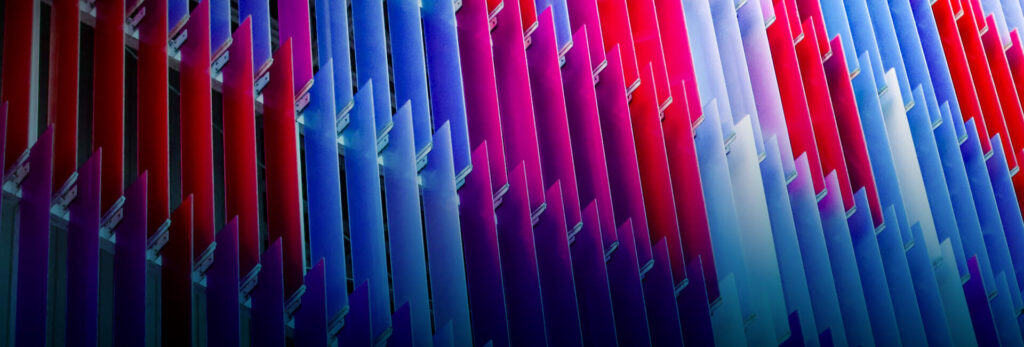
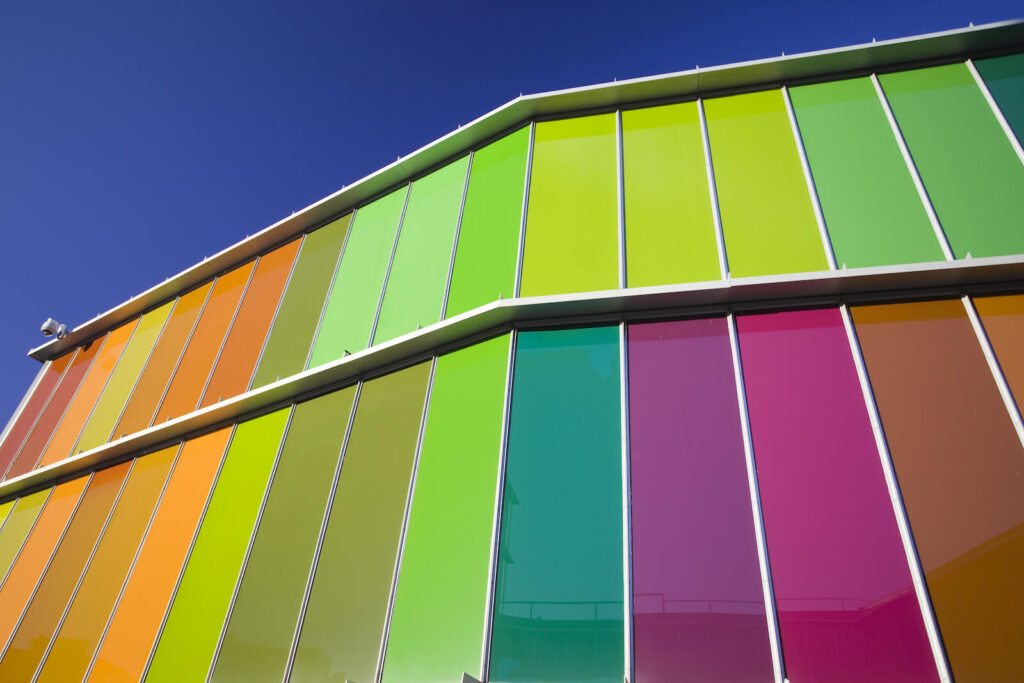
Transparent, lightweight, and weather-resistant thermoplastic.
It looks similar to glass but withstands about ten times
more impact. It is easy to work with: it can be drilled, sanded,
broken, or cut. Additionally, it is a plastic that is easy to mold
when heat is applied and allows laser cutting. Acrylic sheets
are sold custom-made, in the format, color, and finish
the client requires.
Polyethylene
High-density polyethylene stands out for its toughness and rigidity for blow molding and extrusion processes. It is used for dairy packaging, cosmetics, and detergents, as well as fresh produce bags. Low-density polyethylene offers good impact resistance, processability, thermal, and chemical resistance. It is more flexible than high-density polyethylene. It is used for manufacturing films for packaging, food wrapping, or for making covers for telecommunication and power cables.
POLYCARBONATE
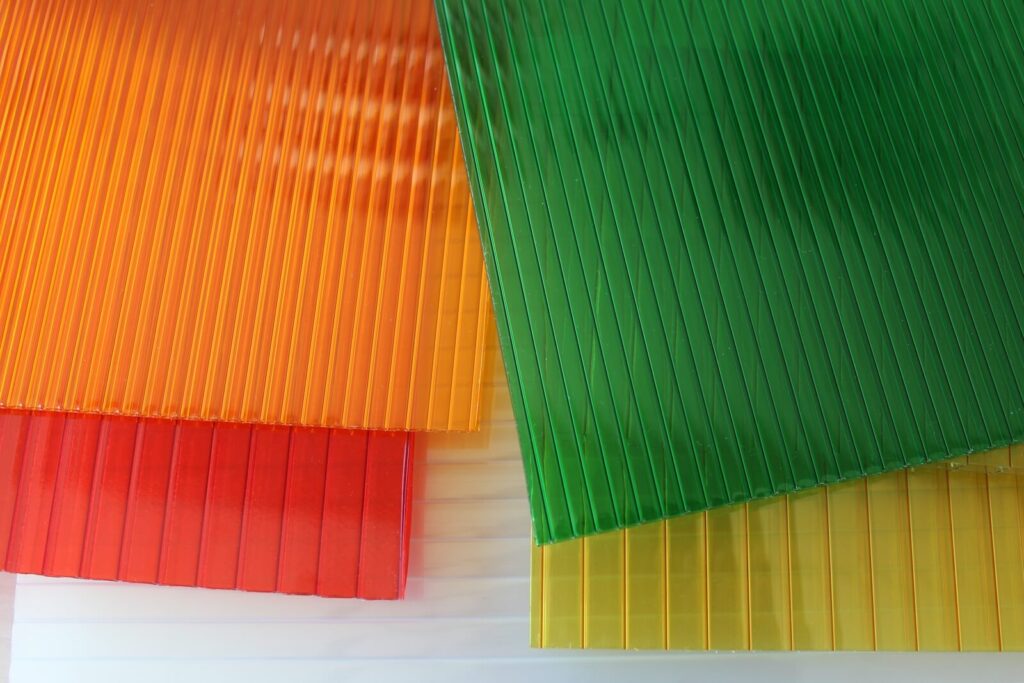
A thermoplastic with excellent properties. It is available in two formats: solid and cellular (with a hollow internal structure). Available in sheets or panels. It stands out for its high impact and heat resistance and its extreme transparency. It is used, for example, for machinery protection, in the automotive, packaging, and food industries. Its impact resistance is 200 times greater than glass and eight times greater than transparent acrylic sheets. Far superior to other technical plastics, although it all depends on its intended use.
MDF / WOOD
Medium-density fiberboards (MDF) are made from compressed wood fibers and synthetic resins. This gives them higher density than traditional particleboard or plywood. Certain chemicals can be added to repel water or prevent mold and fungi. Their surface is ideal for painting and varnishing. MDF is widely used for manufacturing all types of furniture, kitchen doors, interior doors, and as a base for laminated floors.
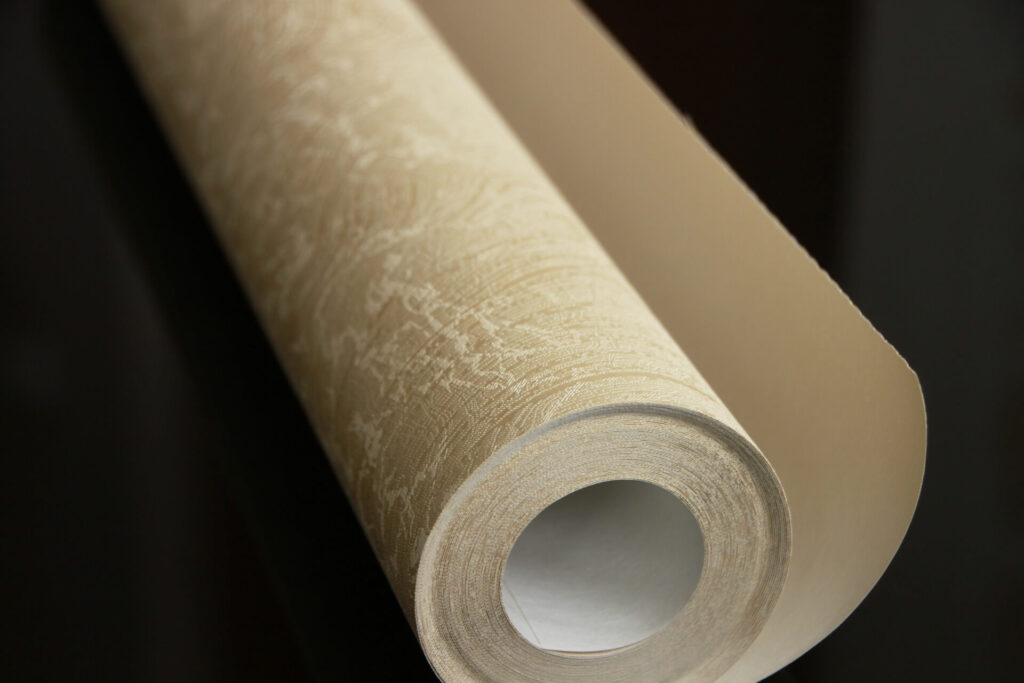
COATINGS
These materials are made of macromolecules called monomers. It is the most widely used plastic with infinite applications (car parts, water or milk bottles, pipes, toys, indoor and outdoor flooring, windows, etc.). Its thermoplastic properties allow it to be molded or welded. Once cooled, PVC regains its solidity and strength. It also stands out for its insulating capacity.
SOLID SURFACE
A material widely used in interior and exterior design. It is made from resins and mineral fillers, combining physical properties (durability, resistance, non-toxicity, and easy repair) with aesthetic properties (unlimited shapes, colors, and textures). The mineral fillers can vary widely (marble, silica, quartz, aluminum trihydroxide, etc.), and the resins are usually acrylic or polyester-based.

OTHER TECHNICAL PLASTICS (PETG, ABS, POLYESTER)
PETG is the most famous copolymer in the 3D printing world. It combines PET with glycol, improving the properties of PET through glycolysis. PETG is used to create resistant parts that are easy to thermoform or extrude. It also stands out for its great transparency and high resistance.
Acrylonitrile butadiene styrene (ABS) is an amorphous polymer obtained through the emulsion or mass polymerization of acrylonitrile and styrene in the presence of polybutadiene. ABS’s main properties are impact resistance and toughness.
ALUMINUM COMPOSITE
Aluminum composite panels are multilayer panels composed of two lacquered aluminum sheets bonded to a polyethylene core. A material with excellent thermal, acoustic, and fire-resistant properties. For example, facades clad with aluminum composite panels improve thermal and acoustic insulation. It is an excellent option for building renovation and new construction. Its versatility allows for the creation of ventilated, semi-ventilated, or sealed architectural facades. Available in a wide range of colors and finishes.